

Four frameworks.
One common language.
Four workshops for your leadership team. Each one hands your team a framework they can use the next morning and a shared language for talking about the work. Run one, or run one a quarter and cover all four in a year. Virtual or in person.

Working Genius
What it is
Twenty percent personality profile and eighty percent productivity tool. The workshop shows your team what kind of work gives each person energy and what kind of work quietly costs them, and most teams find this explains friction they had been reading as a character problem. Guilt and judgment come down. A common language goes up, and the team bonds and executes on the back of it.

Format and timeline
- Pre-session call with the owner
- Working Genius assessment for every participant
- Two-hour workshop, in person or virtual
- Post-session strategy call to help the team put it to work

What’s covered
The six types of Working Genius, each person’s results, and how the team’s mix explains where work flows and where it stalls.

Deliverables
Assessment reports, adoption videos, and podcast resources.
Core Processes
What it is
Built on the EOS® methodology, and one of the most effective ways to create resilience and scalability in an organization. Most companies have the same problem here: SOPs that are half-baked, over-documented, and used by no one. This replaces them with a physical guide that ends up in the hands of every employee, new and old, and becomes the go-to resource that keeps execution consistent in the parts of the business where consistency matters most.
Format and timeline
- One-hour launch meeting to identify your 8 to 12 core processes
- 8 to 12 one-hour calls, one per process, to refine each
- Two-hour full-team review
- Three to four weeks start to finish
What’s covered
The handful of processes the business actually runs on, documented the way EOS® intends: short, followed by everyone, and owned by someone.
Deliverables
A print-ready 6 by 9 guide, typically 25 to 30 pages.
The Five Dysfunctions of a Team
What it is
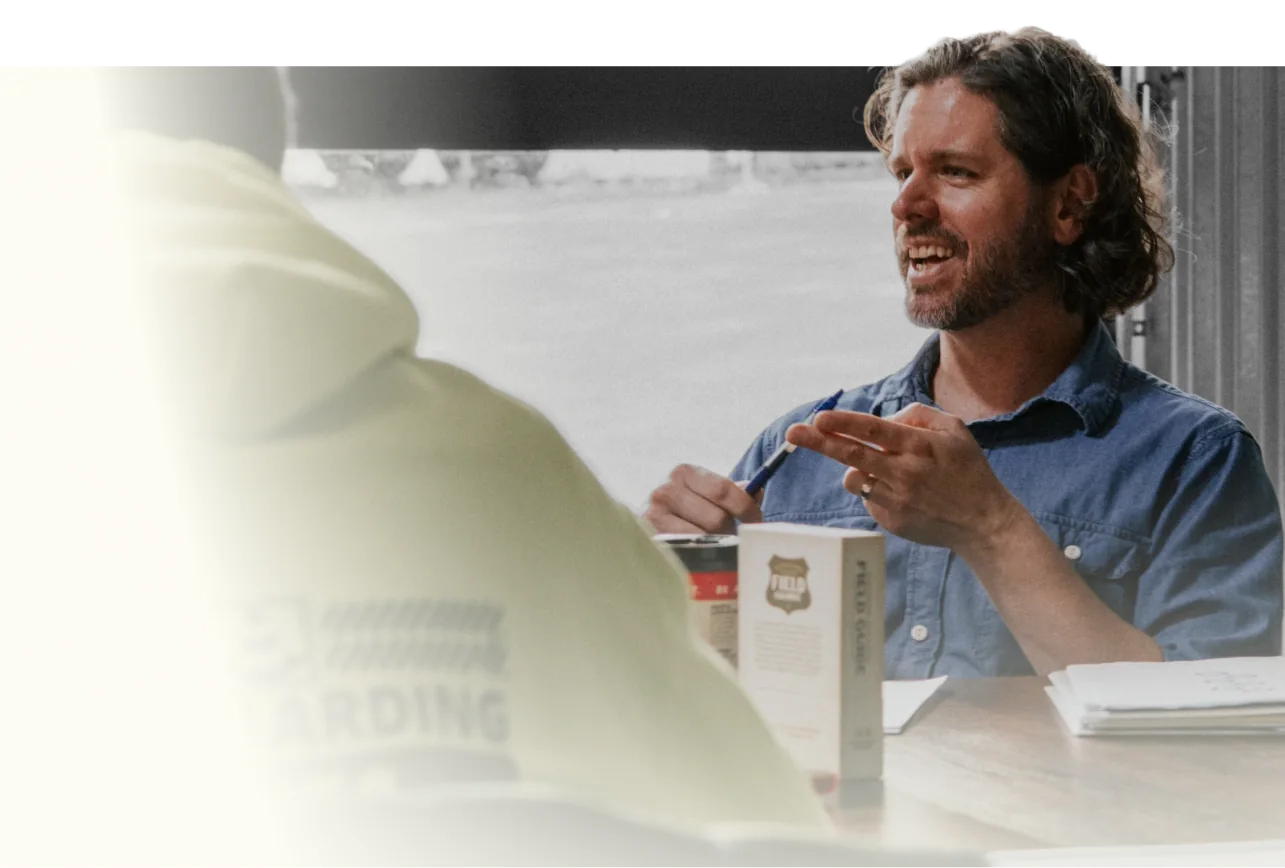
A time-proven framework for building the trust that leads to results. It is an interactive team-building process rather than a lecture, and it is at its best with leadership teams, where the cost of the conversation nobody is having is highest. Teams come out of it collaborating better, because the hard topics finally have somewhere to go.
Format and timeline
- Pre-session call with the owner
- Five Dysfunctions assessment for every participant
- Two-hour workshop, in person or virtual
- Post-session strategy call
What’s covered
Trust, conflict, commitment, accountability and results: where your team stands on each, and what closes the gaps.
Deliverables
Five Dysfunctions assessment reports and participant workbooks.
Individual Execution
What it is
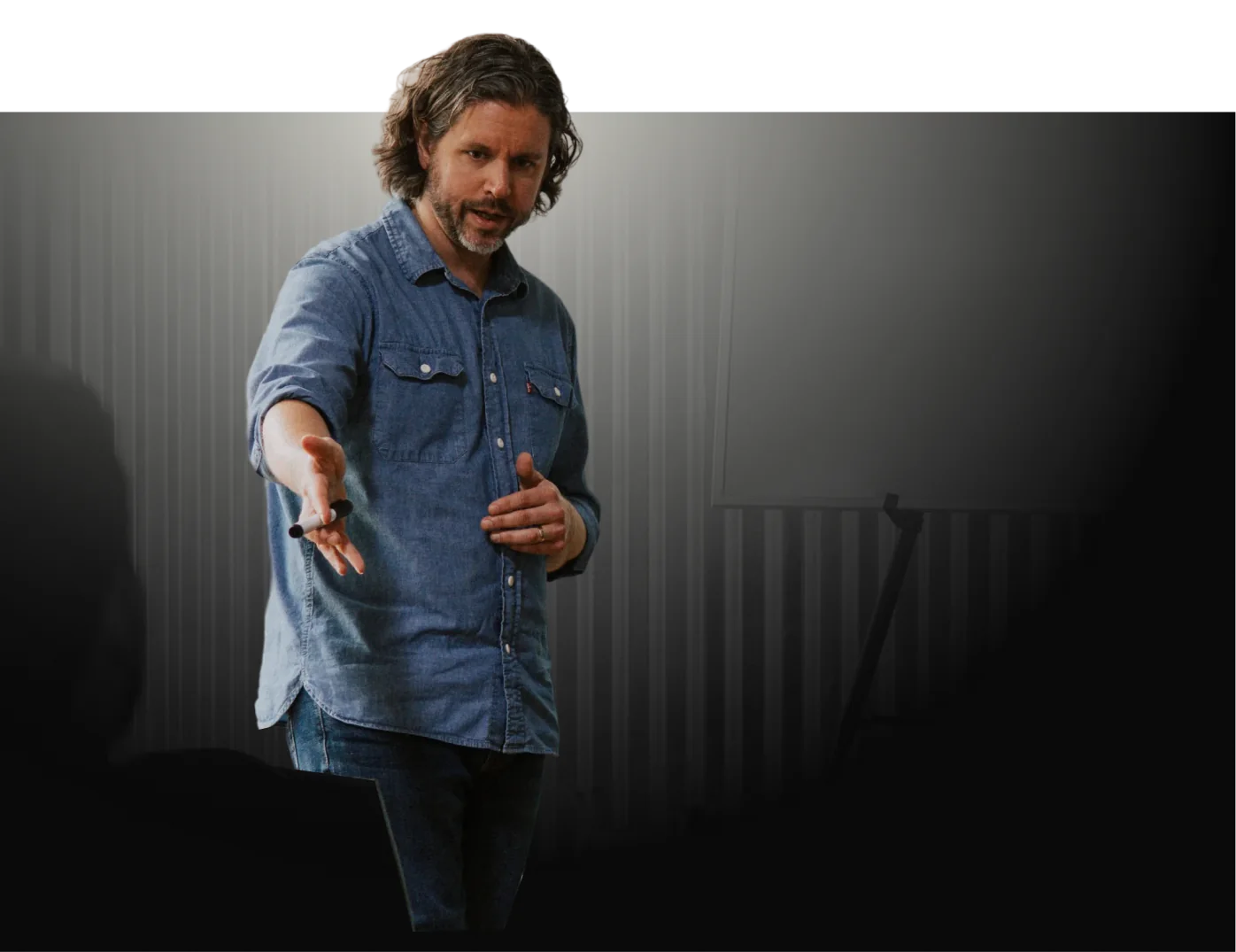
Four tactical tools for the way individuals actually get work done, taught in one session. Measuring People gives leaders a fair, consistent way to see how each person is performing. The Ideal Team Player assessment shows where each person is strong and where to coach. The Steady Hands process gives each person a repeatable way to collect their priorities and work through them, so the important things stop getting lost behind the urgent ones. The Decision Making framework gives leaders and their teams a shared way to see who decides what, which is how autonomy grows on purpose rather than by accident, and how people stop guessing at how far their authority runs. Best run with the whole team rather than a few leaders, so the authority conversation happens in one room.
Format and timeline
- Four-hour workshop, about an hour per topic
- Then up to two 30-minute Steady Hands one-on-one setup calls per employee, for up to five employees, spread over about four weeks
What’s covered
Measuring People, the Ideal Team Player assessment, Steady Hands, the Decision Making framework.
Deliverables
A Quail workbook covering all topics, the Ideal Team Player assessment, and each participant’s Steady Hands system set up in the one-on-one calls.
Before, alongside, or after EOS®.
The more of these we run, the clearer it gets that the framework is only half of what a team takes away. The other half is the practice of learning a framework together and finding a common language in it, and that is a skill a team gets better at.
None of the four requires EOS®. If you are considering it, any of the four is a good first rep. Working Genius is the clearest example: a team that has learned it, made the language its own, and gotten real value out of it has already done the hard part of adopting a system, and stepping into something as large as EOS® goes better when the muscle is already built.
If you are already running on EOS®, these sit alongside it. Nothing here asks your team to hold two operating systems at once, or cuts across the implementer you are working with. Core Processes is the EOS® core process component done properly. Working Genius, Individual Execution, and the Five Dysfunctions sit next to the work you are already doing and make the people side of it hold.
And if EOS® is behind you, or was never the plan, each of these stands on its own.
The fastest way to impact.
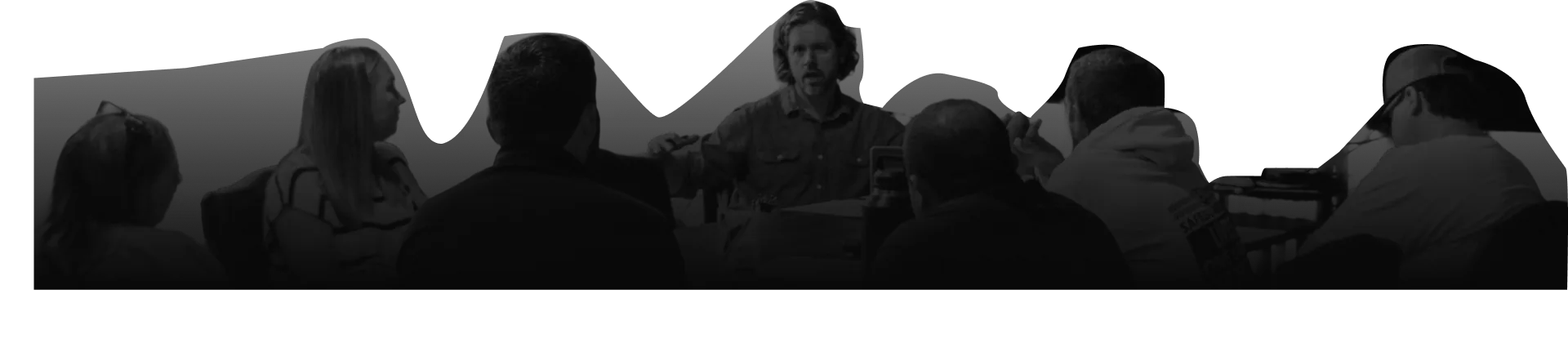
For more experienced teams the workshops are designed to improve teamwork and individual execution without going overboard. Pair these with our Employee Accelerator Bootcamp and you have a time and cost effective way of creating top-down and bottom-up impact in your organization.
For teams that need more, the workshops are a great way to improve your team while seeing if there is a good mutual fit. The beautiful thing is that if you need a deeper fractional integrator engagement, starting with the workshops can decrease the amount of time needed for the larger engagement.
What each workshop costs.
Working Genius, $1,995. Core Processes, $7,500. The Five Dysfunctions of a Team, $2,995. Individual Execution, $2,995. Virtual or in person. Working Genius and the Five Dysfunctions include every participant’s assessment.